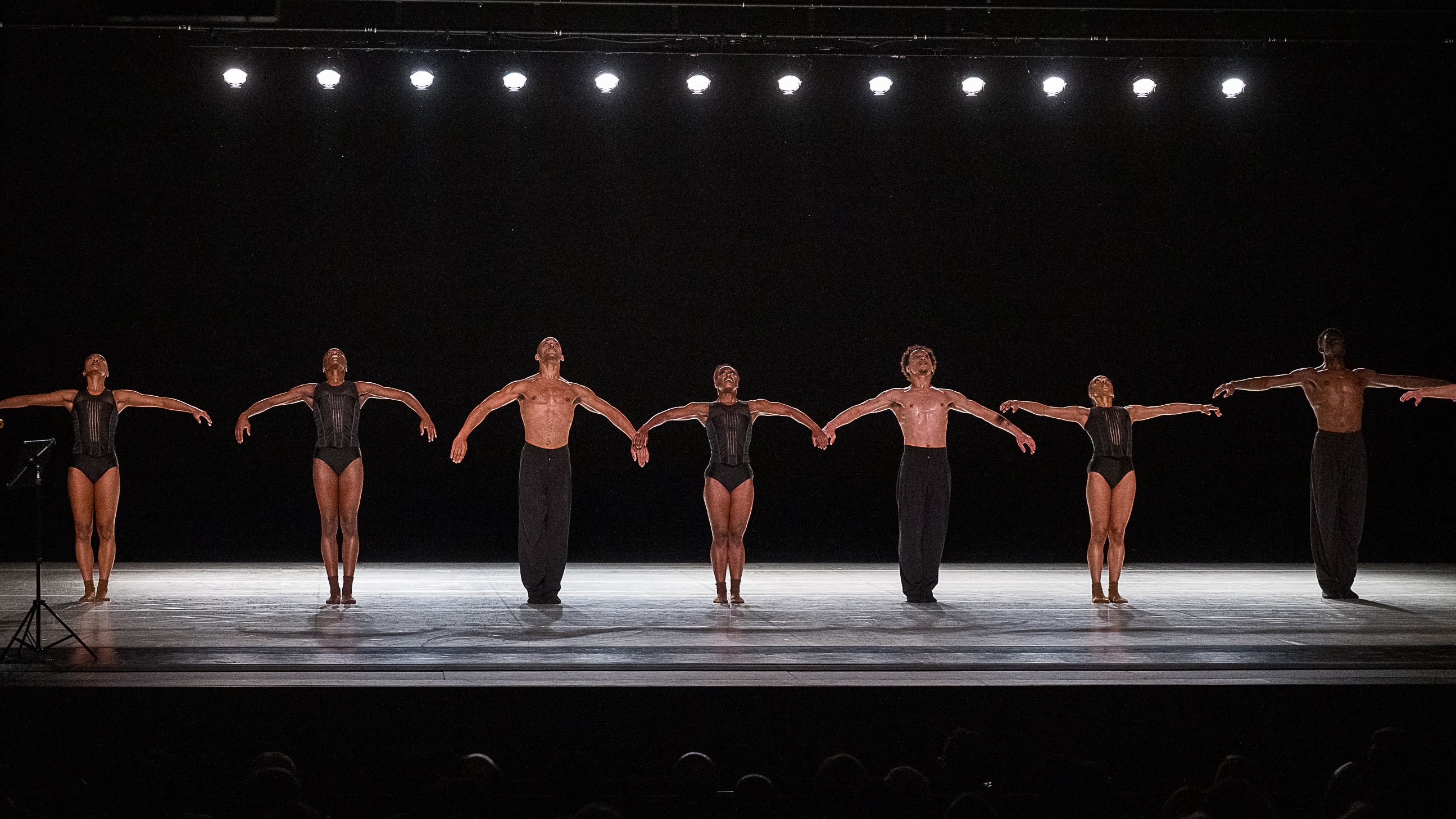
At Dorothy Chandler Pavilion, opening night of Alvin Ailey American Dance Theater unfolded with quiet grandeur.
Plush red seats filled the theater. A gold curtain shimmered under chandeliers. Before a single dancer stepped onstage, the room felt full with anticipation.
As part of The Music Center’s 2025 to 2026 dance season, the company returned for its annual Los Angeles run with a program that balanced legacy and change. Founded in 1958, Alvin Ailey American Dance Theater has long centered Black culture and storytelling through movement. This year’s program paired classic works with contemporary choreography that reflected a shifting and expanding cultural landscape.
The evening opened with Blink of an Eye, a group piece featuring eight dancers dressed in black. They moved in and out of formation with precision, shifting from one body to many and back again. At moments, the dancers felt suspended in the air, moving as if they were not bound by gravity at all. The choreography balanced control and softness, setting the tone for a night rooted in both discipline and emotion.
The performance shifted into intimacy with A Case of You, a duet by Samantha Figgins and Isaiah Day.
The piece began in silence.
Without music, every movement carried weight. Breath and tension became visible. A red scarf moved between the dancers, at times covering their eyes, at times linking them together. As sound entered, first instrumental, then lyrical, the piece deepened into something unmistakably romantic. Lifts and pauses built toward a final embrace that faded to black.

After the quiet intensity of the duet, Difference Between expanded both visually and thematically. Dancers dressed in blue and orange created a striking contrast across the stage. The piece felt larger and more outward, pushing beyond traditional boundaries and opening space for more fluid interpretations of identity and connection.

It felt like a moment where the company was not just preserving tradition, but actively expanding it.
That emotional range was reflected in the audience.
For first-time attendee Ivy Wallace, the excitement was simple. “I really love dance and performances,” she said.
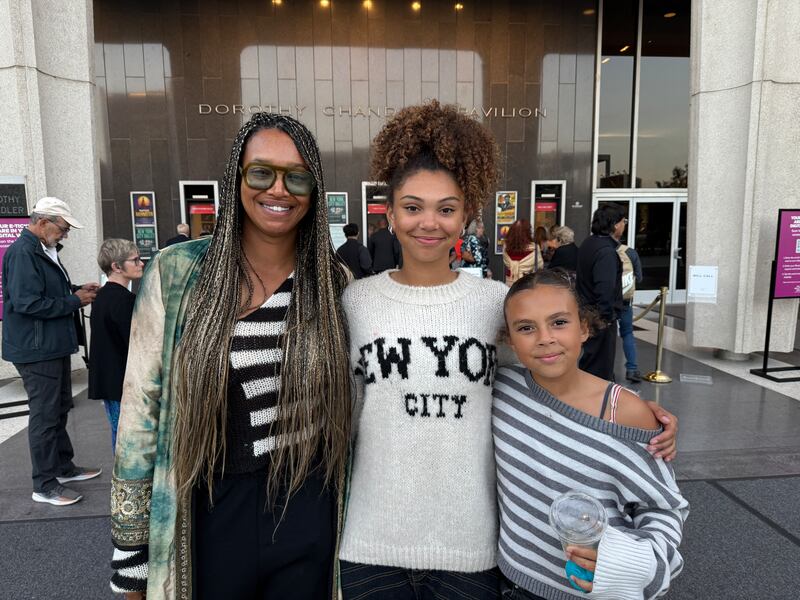
For others, the pull of the performance has brought them back year after year. Wallace described the experience simply: “It’s just so amazing. The dancing is so good. You can feel the emotion.”
Audience members echoed that feeling in a single word: beauty.
Rhonda Johnson has seen the show five times and said part of the appeal is how the company evolves. “I like to see what they do differently every year, how the show changes and stays current to the culture,” she said.
For Nurah Abdullah, attending had been years in the making. “I’ve been wanting to come to this show for literally years,” she said. “When I finally got the chance, I said yes without question.”

She described the performance as “gorgeous” and “inspiring,” pointing to Revelations as a standout. “Visually stunning,” she said.
For Damari Butler, the experience carried an added layer of meaning. A photographer who had previously worked with company dancer Renaldo Maurice, Butler said seeing the performance live changed how he viewed the work.
“To meet the artist and then see the art in real time was just amazing,” he said. “It made me want to create.”
That inspiration extended into a broader reflection on Black art.
“It’s important not only for us to support each other, but to show the world the value behind it,” Butler said.
Johnson put it more directly. “We are the blueprint. We show the world where beauty comes from.”
The night closed with Revelations, the company’s most iconic work and a piece that continues to anchor each program. Structured in sections that move through struggle, faith, and joy, the performance draws from gospel, blues, and spirituals to tell a deeply rooted and collective story.
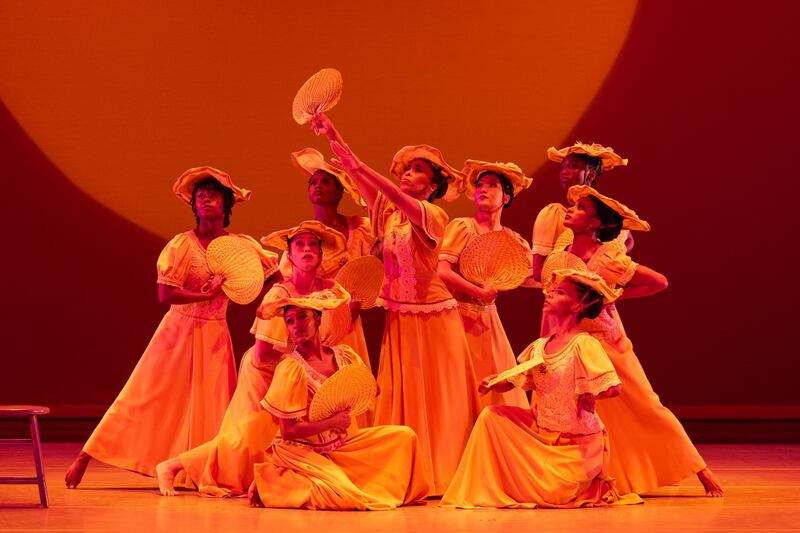
For longtime audiences, it felt familiar. For new viewers, it landed with power.

Sitting in the audience, it became clear that art does not just entertain. It creates space. It allows people to feel, to reflect, and to stay present, even in difficult moments.

By the end of the night, what lingered was not just the movement, but the feeling it left behind.
Through evolving choreography and a deep connection to culture, Alvin Ailey American Dance Theater once again proved why its work continues to resonate across generations.