Kent Julye is living on borrowed time. Suffering from life-ending cancer and grieving the violent loss of one son, the Philadelphia native sees the World Cup as more than a series of soccer games.
For Julye, 64, the point of attending the World Cup group-stage games in his hometown is to create an everlasting memory with his son, Hadley.
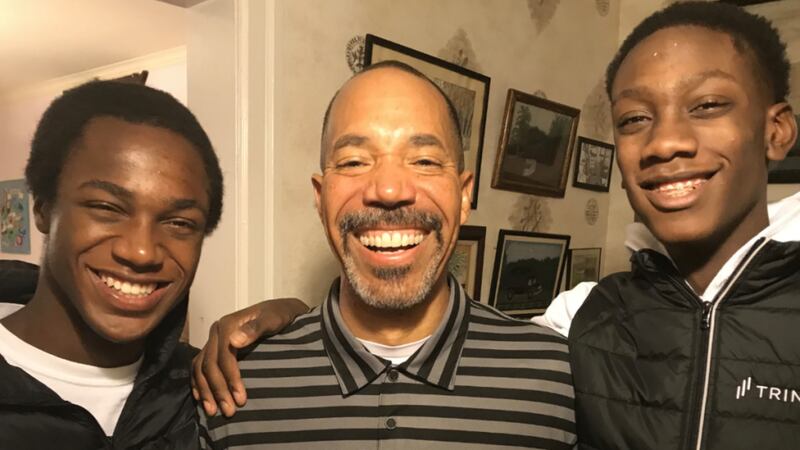
“I have been playing on house money for a long time,” said Julye, who in February 2023 was diagnosed with metastatic prostate cancer and given just 72 hours to live.
His own cancer would be enough of a reason to spend no less than $300 per ticket on the game. But the time with Hadley is all the more precious following the shooting death of Zachariah at a house party in 2022.
“This would literally be something on a bucket list item,” Julye said. “To create memory with my son.”
n 2014, Julye found himself in the Netherlands, sitting in cafes and watching the World Cup on televisions set up on the street with locals.
“You understood the global community that is futbol,” Julye said. “That is powerful and a gift to have that experience.”
The World Cup means something different to everyone. Whether it is about supporting their nation, watching their favorite players, or enjoying the festivities, the global sporting event puts the world on hold.
Surveys and interviews with 41 people from across regions, ages, fan bases, and social statuses found that the games beginning in June will captivate the world, but also present challenges for minority groups.
Preparing For The Global Game
In a pocket of Highland Park, the Greyhound Bar & Grill has cultivated that joyful feeling that captures the world for 39 days of World Cup madness.
“This is the single most important sporting event in the United States of America’s history,” Mateo Glassman said in a March interview at his bar.
Over its 12 years, the Greyhound has worked its way into being a “locked and loaded soccer bar” in the neighborhood, as Glassman describes the bar he founded in January 2014. The Cleveland native quickly got a taste of the World Cup watch-party atmosphere.

Six months after the grand opening, the Highland Park bar was already hitting capacity for the World Cup games happening in Brazil. Glassman’s bar only had two televisions at the time, prompting fans to stand on top of the leather booths to catch a glimpse of the action.
The energy and passion that ran through the old English-style bar turned the place into a full-time soccer bar. Through his Tottenham Hotspur fandom, the bar has become, by default, a space for the team and English fans to gather every weekend.
Tottenham fans at the Greyhound react to winning the 2025 Europa League, their first major trophy in 17 years (Mateo Glassman)
This summer’s games will now be the fourth World Cup that the Greyhound has hosted. And Glassman is prepared. He has added two more television screens and one large projector that covers the Greyhound’s back wall.
Yet, Glassman recognizes the unique nature of this tournament compared to others.
“I have to appeal to not just three different fanbases — USA, Mexico, and England — but ethnicities,” Glassman reflects on the melting pot of Highland Park.
For the first time in tournament history, the games will span three different countries — the USA, Mexico, and Canada. Los Angeles is one of 11 U.S. host cities.

The City of Angels will be a hotbed for tourists who want to take in the Hollywood Walk of Fame and World Cup games in one.
“Summer of 2026 will be the busiest this bar has ever been,” Glassman said, a message he has been repeating for his staff and investors.
Glassman is working with his chef and sponsors to create specialty menu items in the lead-up to games. Over the years, he has introduced specialty items that merge his creativity and passion for soccer.
The English Breakfast is named after White Heart Lane – Tottenham Hotspur’s iconic home stadium from 1899 to 2017, along with other meals named after former players Harry Kane and Son Heung-min.
Even in preparation, Glassman knows he doesn’t need much marketing for soccer to get people to the bar. The World Cup itself will get people out of their homes and into places to watch.
The Greyhounds’ hours have been based on past World Cup and English Premier League schedules. Glassman has opened his bar at 4 a.m. for those before dawn kicks in, catering to diehard fans, including himself.
The bar sits on the corner of busy Figueroa Street, filled with many other bars and shops. Inside, a section of leather booths occupies the left side of the bar, while the other half features high-rise tables and bar seating with leather barstools.
“I don’t sell wings, beer, or pizza. I sell the neighborhood bar experience,” Glassman said.
The walls and cabinets are filled with a variety of Tottenham jerseys, LA Dodgers and Lakers memorabilia, Greyhound photo memories, and art.
The Greyhound lends itself to a sport that invites community and conversation. The nonstop action of soccer can be enjoyed either by watching all 90 minutes or by chatting with a friend.
The Beautiful Unaffordable Game
Sitting in a bar or watching with friends is one thing, but many fans want to be there in person to watch talent from across the world.
SoFi Stadium — labeled Los Angeles Stadium — is hosting a total of eight matches, including two U.S. men’s soccer team group-stage games and one quarterfinal. Yet for avid soccer fans, watching in person is harder than ever.
“The event being held in the U.S., Canada, and Mexico is a much different beast than Qatar and Russia,” Keith Pagello, founder of Ticketdata.com, said.
| World Cup year | Host Country | Cheapest Ticket for the Final |
|---|---|---|
| 2026 | U.S., Canada, Mexico | $2,300 |
| 2022 | Qatar | $600 |
| 2018 | Russia | $455 |
| 2014 | Brazil | $440 |
These prices represent the lowest available ticket price in U.S dollars for the Final in “public inventory.” All World Cups, including this one, have had very limited inventory available for the final match at or below those price points. Limited to host-country residents winning a lottery, limited supporter-entry tier, things like that. (TicketData.com)
A non-scientific survey for this story found nearly two-thirds of people were unsure or would not participate in World Cup events. Reasons ranged from ticket prices to President Trump’s politics to concerns about immigration enforcement. The high cost was the biggest factor — the average single ticket for group play is $681, according to Ticketdata.com.
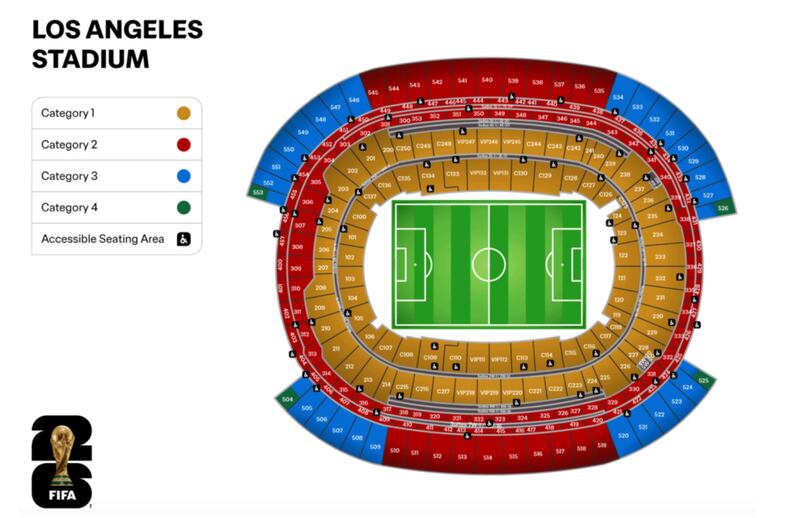
For the U.S. men’s soccer team opener vs. Paraguay at Los Angeles Stadium, category 2 – 3rd-level seating, otherwise known as nosebleeds, is priced at $1,940 per ticket via the FIFA website.
For that price, you could book a five-day overnight cruise in an eight-person suite to Cabo San Lucas, Mexico. And you would save $500.
UCLA senior and avid soccer fan Joel Pollack hopes to catch a game at the Los Angeles stadium, yet skyrocketing prices have put a damper on the possibility. He’s not even trying to purchase tickets at this point.
“It’s unfortunate that only the wealthy people will go to the games,” Pollack said.
A Separated Nation
The Trump administration’s words and actions over the last several months have led to a complex welcoming message for foreigners.
“Together we will ensure the 2026 World Cup will be the best-run soccer tournament the world has seen,” Trump said during a FIFA campaign event in May 2025.
At the forefront of cultural groups targeted and impacted by the administration is the Hispanic population. Trump habitually uses words including “illegal alien” and “animal” to describe the demographic.
Ivan Toribio, who is of Mexican heritage, described his concerns about immigration enforcement in a February interview. He took issue with Trump’s language.
“It’s not about [Republican or Democrat], it’s about humanity,” Toribio said. “Treating people with respect.”
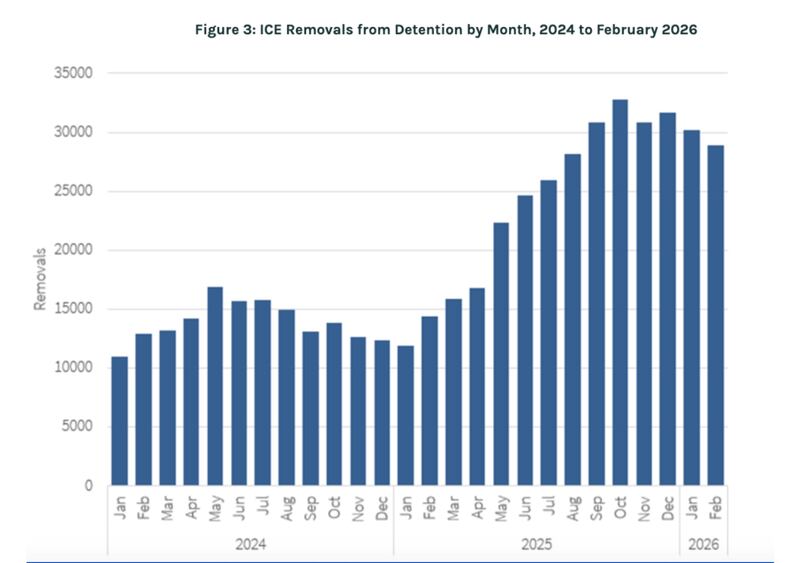
Last July, Trump introduced his “One Big Beautiful Bill,” which provided $170 billion in additional funding for immigration — and border-enforcement-related activities. The number of people held in ICE detention increased by 75% in 2025, according to the American Immigration Council.
Since the start of Trump’s second term, the administration has overthrown the Venezuelan government, bombed Iran, deported more than 675,000 immigrants, and even killed innocent American citizens protesting the work of ICE agents.
While Trump tries to tear down their heritage, the Pancho Villa’s Army (PVA), a Mexican National Team fan group, uplifts their voices and culture. Pancho Villa’s presence is nationwide, with battalions in 25 locations, including Los Angeles, Houston, Phoenix, and Reno.
Toribio, a Boyle Heights native, leads the Los Angeles branch as its battalion commander. The group coordinates group sections at games, national team watch parties, and fundraiser events in their communities.
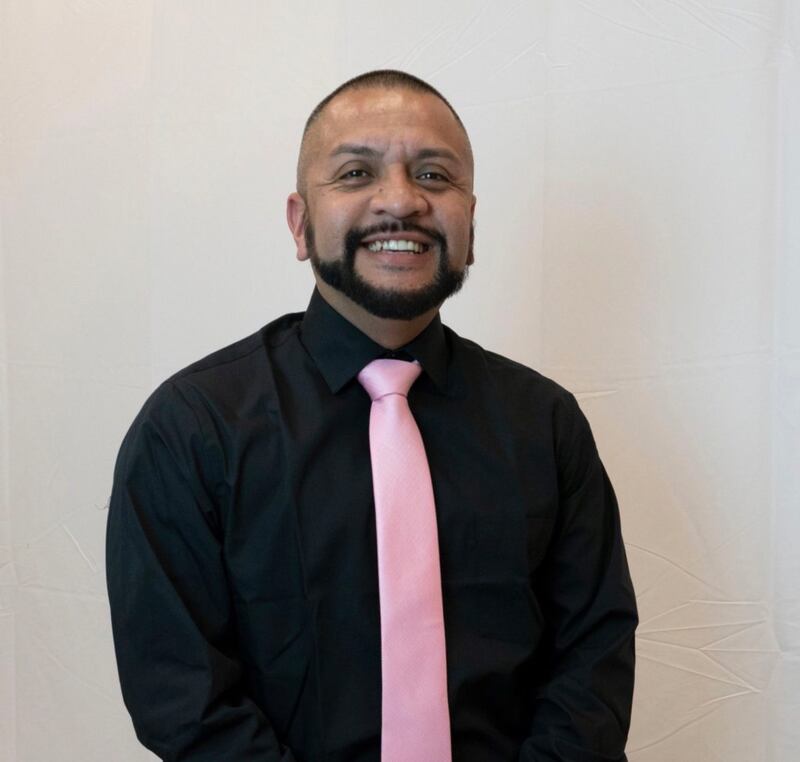
“We present a piece of our Mexican culture in this country,” said Toribio.
The group brings mariachi bands, banda drums, and traditional celebrations to any stadium they visit. Toribio embraces these experiences because of their uniqueness compared to NFL, NBA, or MLB games.
In past games, PVA has not been scared to voice its opinions on the current political climate. Toribio, with a few friends, created “Abolish ICE” banners in his backyard, which they snuck into games to showcase.
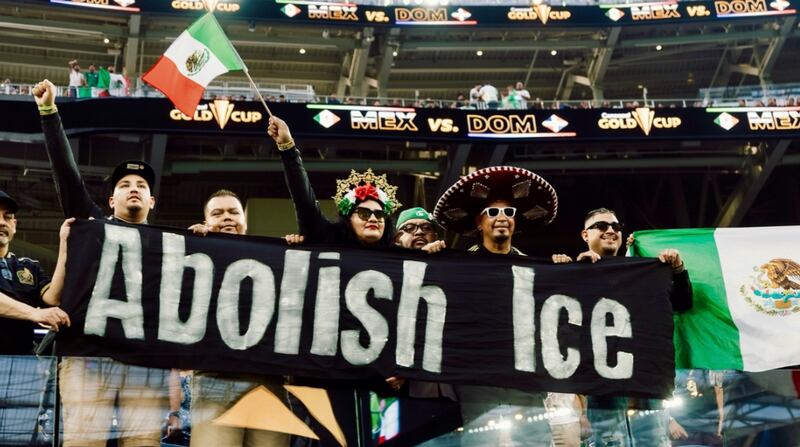
Allegiant Stadium security quickly took down the banner. Toribio said nobody got in trouble.
The topic of immigration enforcement deeply upsets Toribio. As a history teacher at Santee Education Complex, he has personal experience with his own students’ parents being deported.
“The level it has gotten to is crazy,” Toribio said.
The PVA in the past dealt with run-ins with ICE agents, shutting down tailgates at the Gold Cup games in Las Vegas in 2023. However, Toribio remains confident that they can hold celebrations and tailgates in Los Angeles this summer.
Toribio, along with other PVA Los Angeles leadership, has made it clear to supporters that they should be smart at events. The message, he said, “is don’t get violent.”
PVA members doing pregame chants before Mexico vs. Peru at the Rose Bowl in 2022 (Ivan Toribio)
Overall, the American politics surrounding the World Cup and global issues have become a turnoff for American citizens, who were hoping to enjoy the game and the home team.
In December, at the FIFA group-stage summer draw in Washington, D.C., Infantino awarded Trump the first-ever FIFA Peace Prize. According to FIFA, the prize is “to reward individuals who have taken exceptional and extraordinary actions for peace and by doing so have united people across the world.”
The sentiment is echoed by fellow soccer fan Pollack, who says that current politics has affected alliances. Pollack finds himself rooting less for the U.S. men’s soccer team than he did years before.
“Prominent members on [the U.S men’s soccer team] like Christian Pulisic doing the Trump dance, and saying it’s not political,” Pollock said. “Either you’re not telling the truth, or you’re not educated enough; in either case, I don’t really respect you.”
For Pollack, current politics has brought him embarrassment. While his support has waned, he hasn’t forgotten their pride in the team.
For Julye, the moment to spend time with his son is an everlasting memory he hopes to create.

Yet he is not blind to the antics of the administration leading up to the World Cup.
“The implications of how we are treating people who are not from the United States, I think, are going to make this messy and complicated,” Julye said.
Julye remarks that if antics do get out of hand in Philadelphia, where he will be seeing Curaçao vs. Ivory Coast, it would become a sunk cost for him and his son, Hadley.
The World Cup is all about bringing together passionate soccer fans and cultural pride over a month-long tournament. However, this year’s tournament challenges the mold of what the World Cup is about with its record-high ticket prices and the U.S immigration enforcement.
The noise from FIFA and the administration has distracted from the main reason for the games: the sport itself. Countries develop and configure their best starting 11 over four years to bring home the title. Players refine their skills and technique to represent their country on the biggest stage.
The World Cup is not a political tool for anyone; it is about showcasing that beautiful game to a global audience.
An Everlasting Memory
Life has thrown every obstacle at Kent Julye. From his eldest son being murdered to incurable cancer, Julye has persevered. Listen to his journey in creating an unforgettable memory at this year’s World Cup.
About The Author
Jude Reynolds Ocañas is a lifelong sports fan who is pursuing a career in sports journalism. Growing up in the heart of Los Angeles, he was exposed to every sport possible. Ocañas began playing soccer at age 3, starting as a fun hobby and growing into playing for highly competitive club teams in the city. After a decade of playing, he found a new love for basketball. Ocañas played all four years in high school and continued to play recreationally at USC. It didn’t matter the sport; the excitement was all the same.
But after studying abroad in Rome, soccer found its way back into Ocañas life. He attended numerous AS Roma home games, becoming a fan himself. On the weekends, he traveled around Italy, experiencing the atmosphere of several other Italian clubs: Napoli, Milan, and Florence. It was the game-day atmosphere, where fans crowded the streets, sang chants, and waved scarves, that made Ocañas fall back in love with the sport.
Jude’s advice when traveling abroad is: The best way to experience and immerse yourself in a city’s culture is by attending a soccer match. You won’t regret it!